The Quiet Patience of Añejo Tequila
What happens when agave spirit meets oak and time? A study in transformation, restraint, and the pursuit of depth.
There is a moment in the life of every tequila when it must decide what it wants to become. For blanco, that moment arrives almost immediately, the spirit bottled fresh from distillation with all the raw electricity of roasted agave crackling on the palate. For reposado, the pause is brief, a few months of rest that softens the edges without erasing the origin. But añejo chooses a different path entirely. It surrenders itself to oak barrels for a minimum of one year, sometimes stretching to nearly three, and in that extended silence something remarkable occurs. The spirit that emerges is no longer simply tequila in the way most people imagine it.
It is tequila that has been educated by wood, sculpted by evaporation, and deepened by the slow chemical conversation between liquid and barrel. Añejo represents one of the most compelling intersections of agriculture and craft in the spirits world, yet it remains widely misunderstood. Understanding what happens during those months and years of aging reveals not just how añejo is made, but why it tastes the way it does and what separates a good one from an extraordinary one.
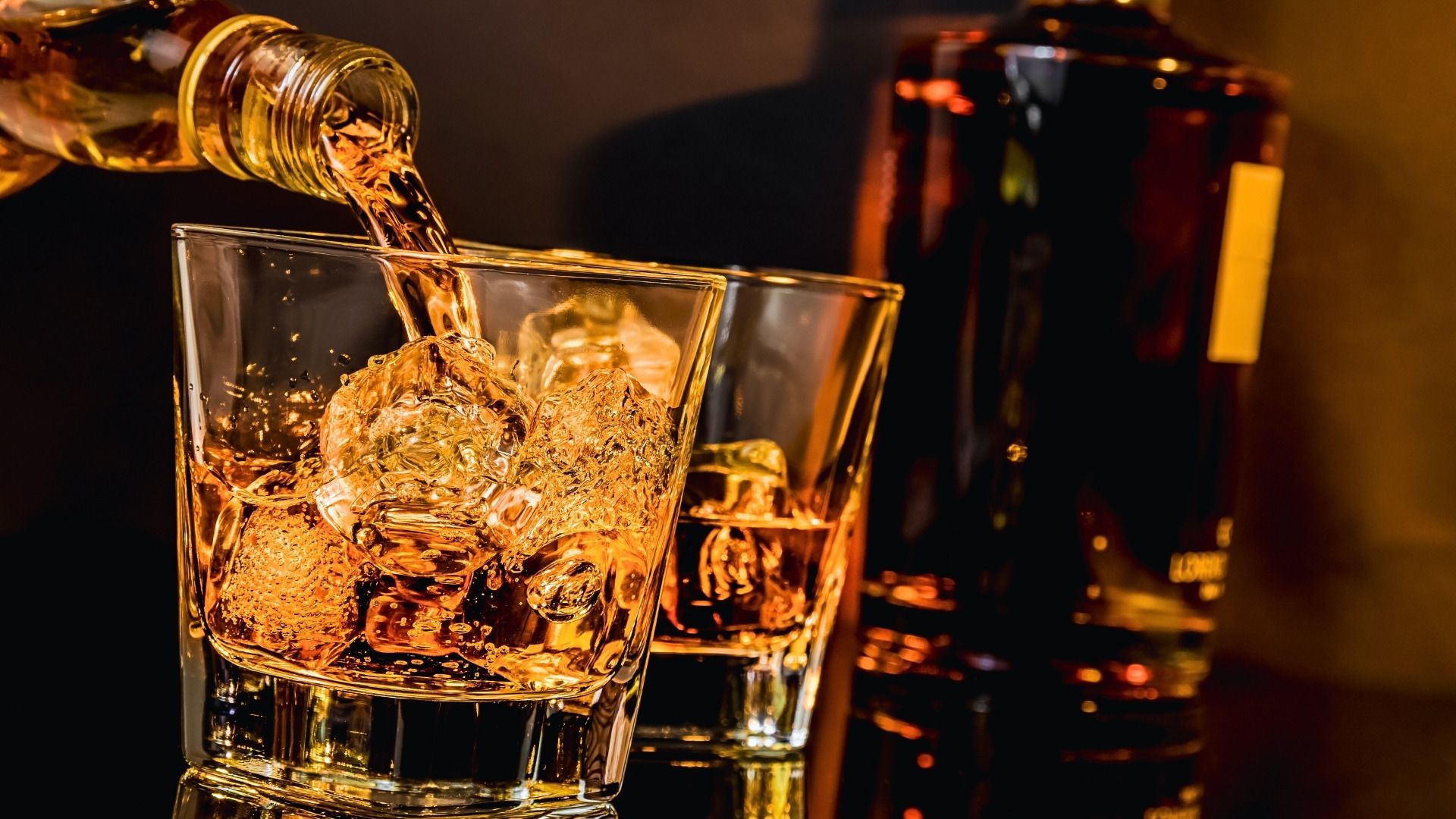
Premium Añejo tequilas are increasingly positioned as sipping spirits, reflecting a broader shift away from shots toward slow consumption, quality, and comparative tastings alongside whiskey and rum.
From Field to Barrel: The Foundation Before the Aging Begins
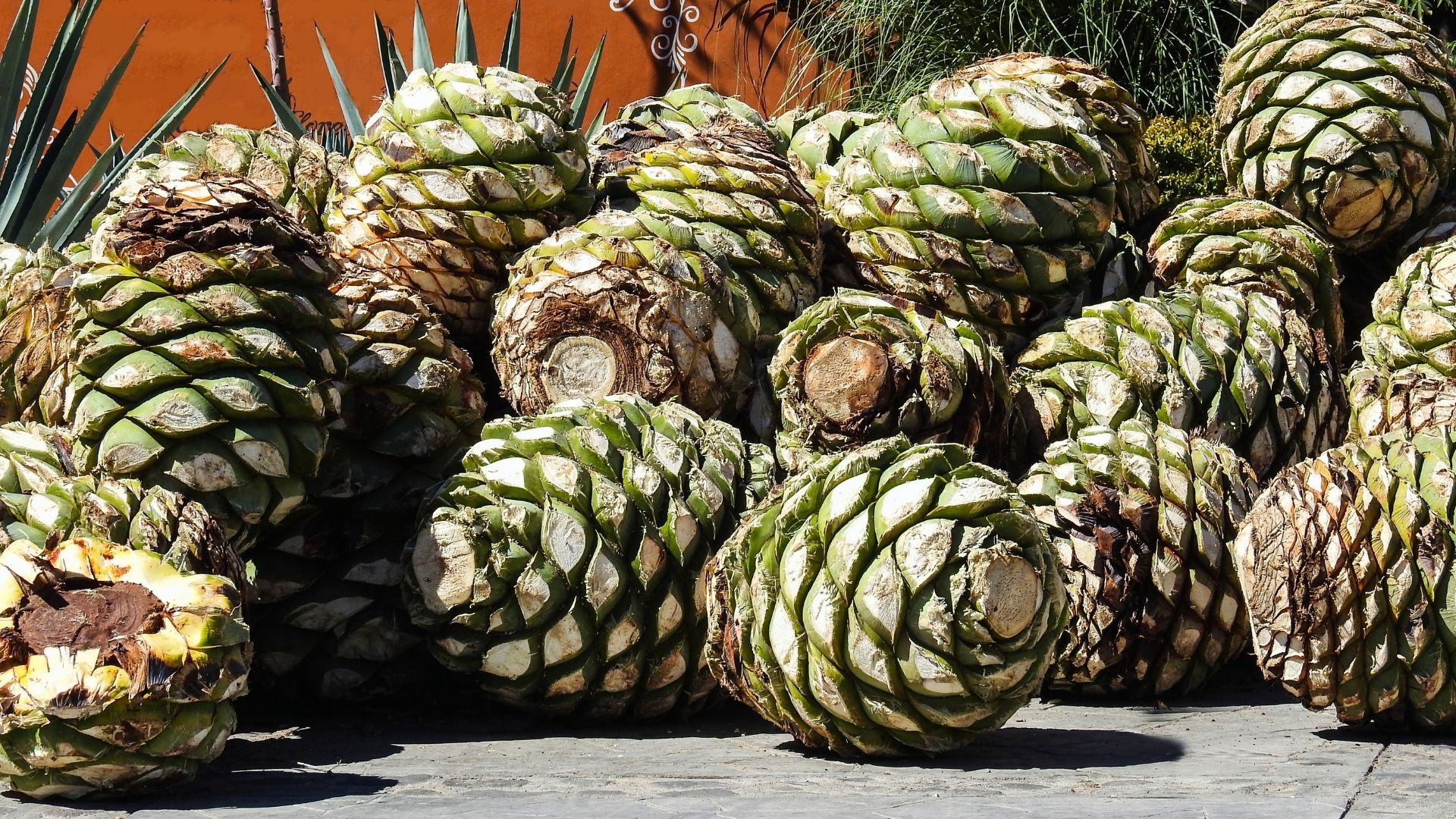
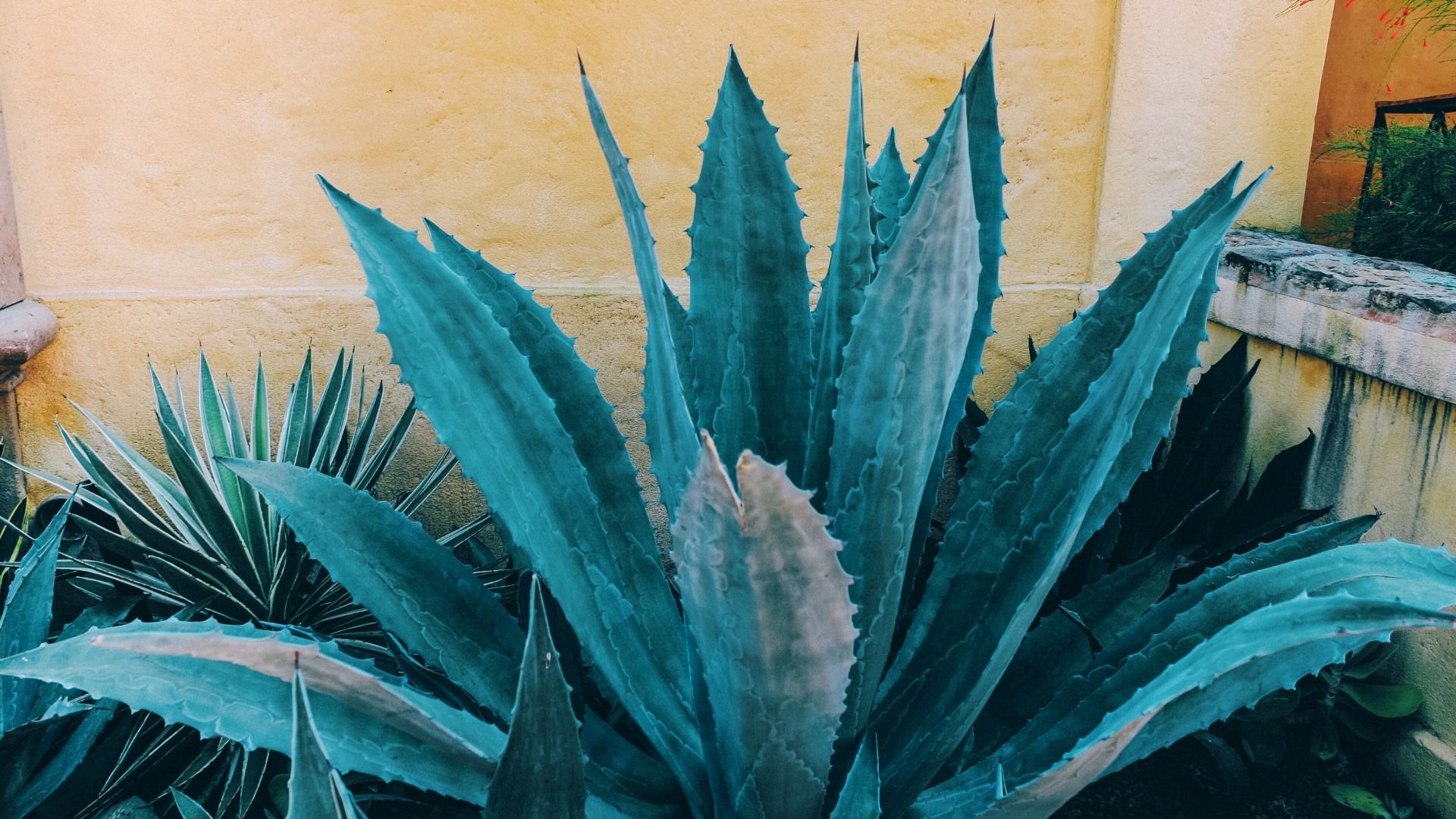
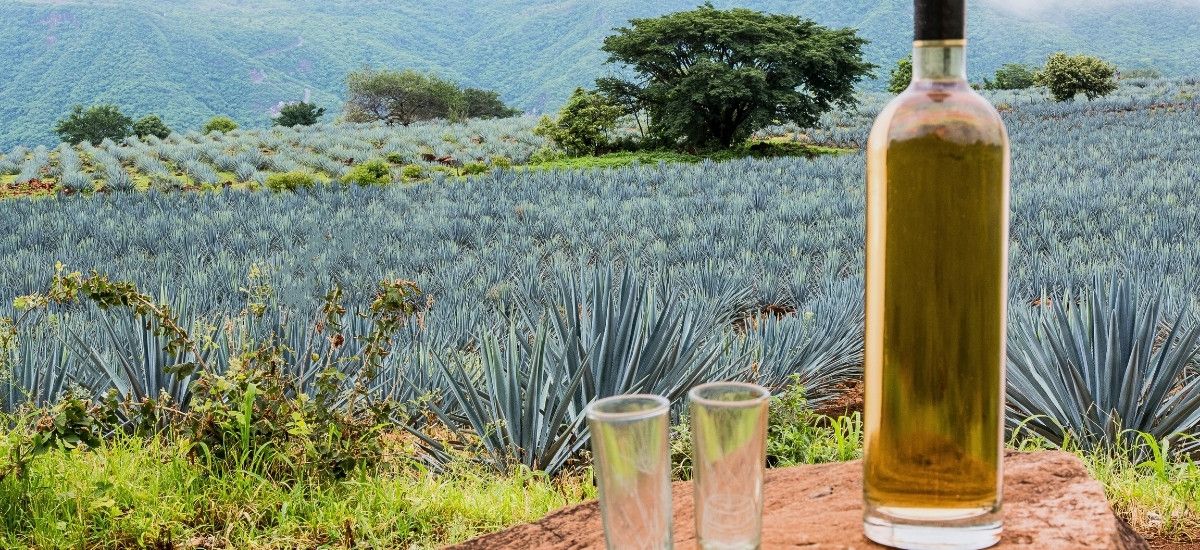
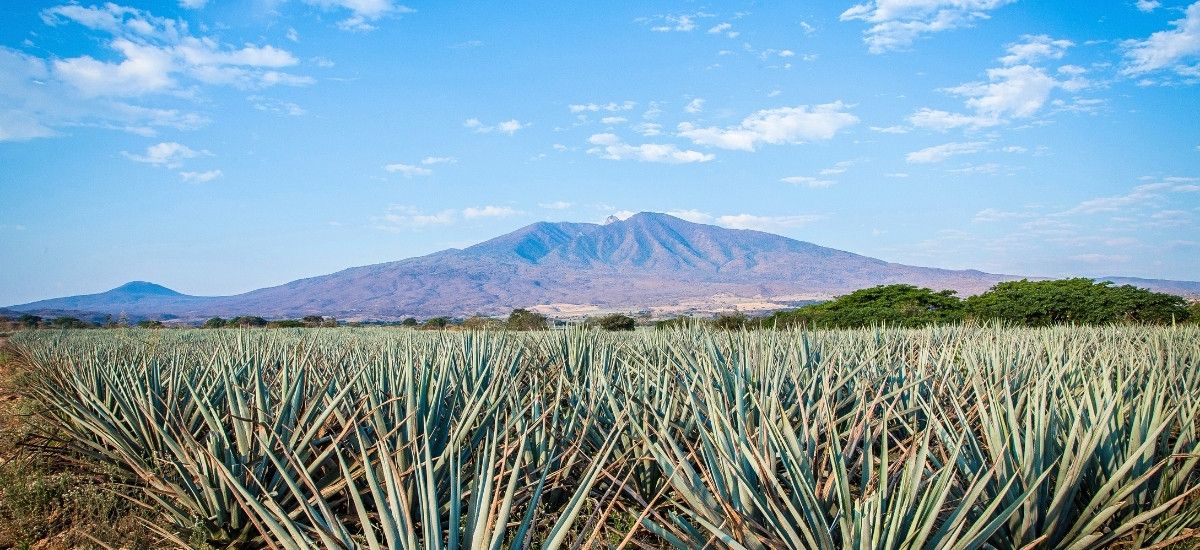
Before a single drop of tequila touches oak, the groundwork for añejo quality has already been laid across years of agricultural patience. Blue Weber agave, the only variety permitted in tequila production, requires between six and eight years to reach full maturity in the volcanic soils of Jalisco and the handful of other approved Mexican states. The harvested piñas are roasted to convert their complex carbohydrates into fermentable sugars, then crushed, fermented, and double distilled. Each of these steps introduces decisions that will echo through the entire aging process.
A distillery using traditional brick ovens rather than industrial autoclaves, for example, produces a spirit with a different chemical profile before it ever sees the inside of a barrel. The yeast strains chosen for fermentation, the speed of distillation, even the mineral content of the water all contribute to the raw material that the cooper's oak will eventually reshape. This is a critical point that casual observers often miss. Aging does not rescue a poorly made spirit. It amplifies whatever character already exists. Distillers who produce exceptional añejo understand that the barrel is a collaborator, not a corrector. The finest añejo tequilas begin not in the barrel house but in the field, years before the agave is ever pulled from the earth.
What the Oak Actually Does
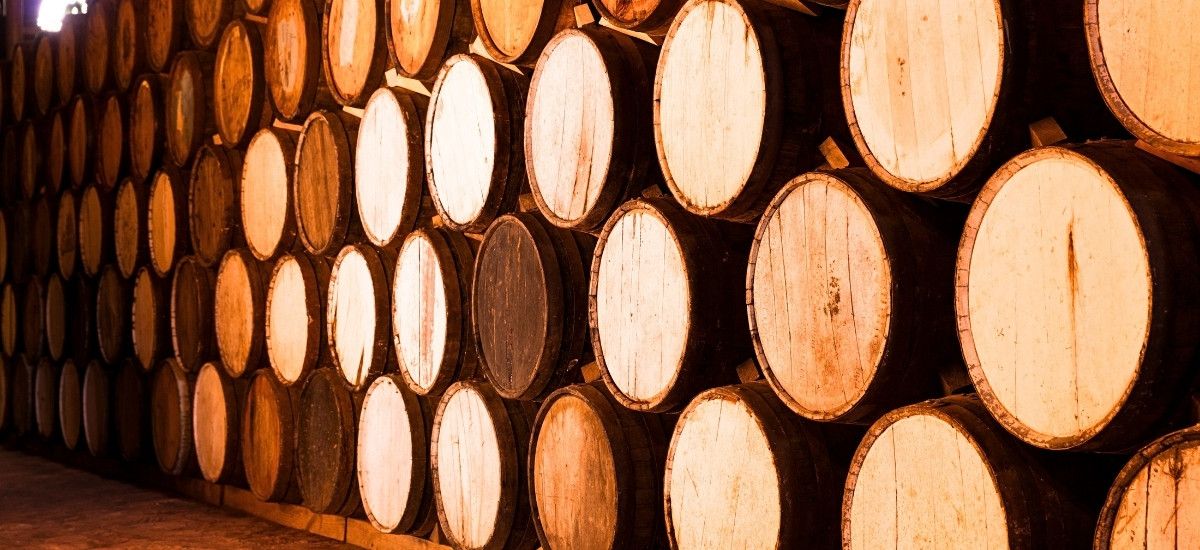
The transformation that occurs inside a barrel is not a single event but a series of overlapping chemical processes unfolding across months. When tequila enters an oak barrel, typically American white oak and frequently barrels that previously held bourbon, the spirit begins extracting compounds from the wood. Vanillin produces notes of vanilla and cream. Lignin, as it breaks down, contributes flavors of caramel and dried fruit. Tannins add structure and a gentle astringency that gives the finished spirit its architecture on the palate. Simultaneously, the barrel is breathing. Oak is porous, and as temperatures rise and fall with the seasons, the spirit pushes into the wood grain and retreats, pulling extracted compounds deeper into the liquid with each cycle.
A portion of the tequila evaporates during this process, a phenomenon known as the angel's share, which concentrates the remaining liquid and intensifies its flavors. The choice of barrel is itself an art form. New oak delivers more aggressive wood character, while previously used barrels offer subtlety and integration. Some producers experiment with barrels that held wine, sherry, or cognac, each contributing its own fingerprint to the finished tequila. The legal requirement is a minimum of one year in barrels no larger than 600 liters, but many premium producers age well beyond that minimum, understanding that the most interesting complexity often reveals itself in the second and third years.
Añejo and Extra Añejo: Drawing the Line Between Depth and Indulgence
The distinction between añejo and extra añejo is both technical and philosophical. Añejo must age for at least one year but less than three. Extra añejo, a category officially recognized by the Mexican government only since 2006, requires a minimum of three years in oak. On paper, the difference is simply time. In practice, the gap between these two expressions represents fundamentally different approaches to the relationship between agave and wood. A well made añejo at eighteen months or so often achieves a compelling balance, the original herbal and citrus notes of the agave still discernible beneath layers of oak derived warmth and spice.
The agave speaks through the wood rather than being silenced by it. Extra añejo pushes further into barrel influence, and the results can be magnificent or problematic depending on execution. At three years and beyond, the risk of oak dominance increases dramatically. A poorly managed extra añejo can taste more like flavored whiskey than tequila, the agave character buried beneath heavy vanilla and cloying sweetness. The finest examples, however, achieve something rare: a seamless integration where wood and agave become indistinguishable partners, producing a spirit of remarkable complexity that neither element could achieve alone. Price points for extra añejo climb accordingly, and discerning drinkers learn to evaluate whether additional aging has genuinely improved the spirit or simply made it older.
The Takeaway
Añejo tequila is, at its core, a lesson in the value of patience and the intelligence of restraint. It asks both the producer and the drinker to slow down, to recognize that the most interesting flavors often emerge not from force but from time and careful attention. The journey from raw agave distillate to a finished añejo involves years of agricultural cultivation, thoughtful distillation, deliberate barrel selection, and the discipline to wait while chemistry and nature do their quiet work. What arrives in the glass is not simply an aged spirit but a layered document of decisions, environment, and craft.
For anyone exploring tequila beyond the familiar territory of shots and margaritas, añejo offers perhaps the most rewarding entry into the category's true sophistication. It bridges the vibrant energy of blanco with the refined composure that only oak and time can provide. Whether one gravitates toward a traditional añejo or the deeper ambition of an extra añejo, the invitation is the same: to pay attention, to taste deliberately, and to appreciate that the things most worth having are usually the things that took the longest to become themselves.