Canadian Whisky: The Smooth Spirit of the North
Discover the distinctive character and rich heritage of one of North America's most approachable yet misunderstood spirits.

Canadian whisky occupies a curious position in the global spirits landscape. It ranks among the most consumed whiskies worldwide yet remains frequently overlooked in serious discussions of the category. This oversight represents a missed opportunity, for Canadian whisky possesses a heritage stretching back over two centuries and a production methodology that distinguishes it meaningfully from its Scottish and American counterparts. The spirit emerged from the ingenuity of early Canadian distillers who transformed abundant local grains into something refined and distinctive.
Today, Canadian whisky continues to evolve while honoring traditions that have defined its character for generations. Understanding what makes this spirit unique requires examining its origins, production methods, and the key players who shape its present and future. Far from being merely a mixer destined for cola, Canadian whisky at its best offers complexity, smoothness, and a versatility that rewards exploration. The journey into this category reveals why millions have made it their spirit of choice and why it deserves renewed attention from anyone seeking to expand their whisky horizons.
Canada is one of the world’s largest whisky exporters, yet its most ambitious, terroir-driven, and small-batch releases are only now gaining global recognition among collectors and professionals.
What Defines the Category
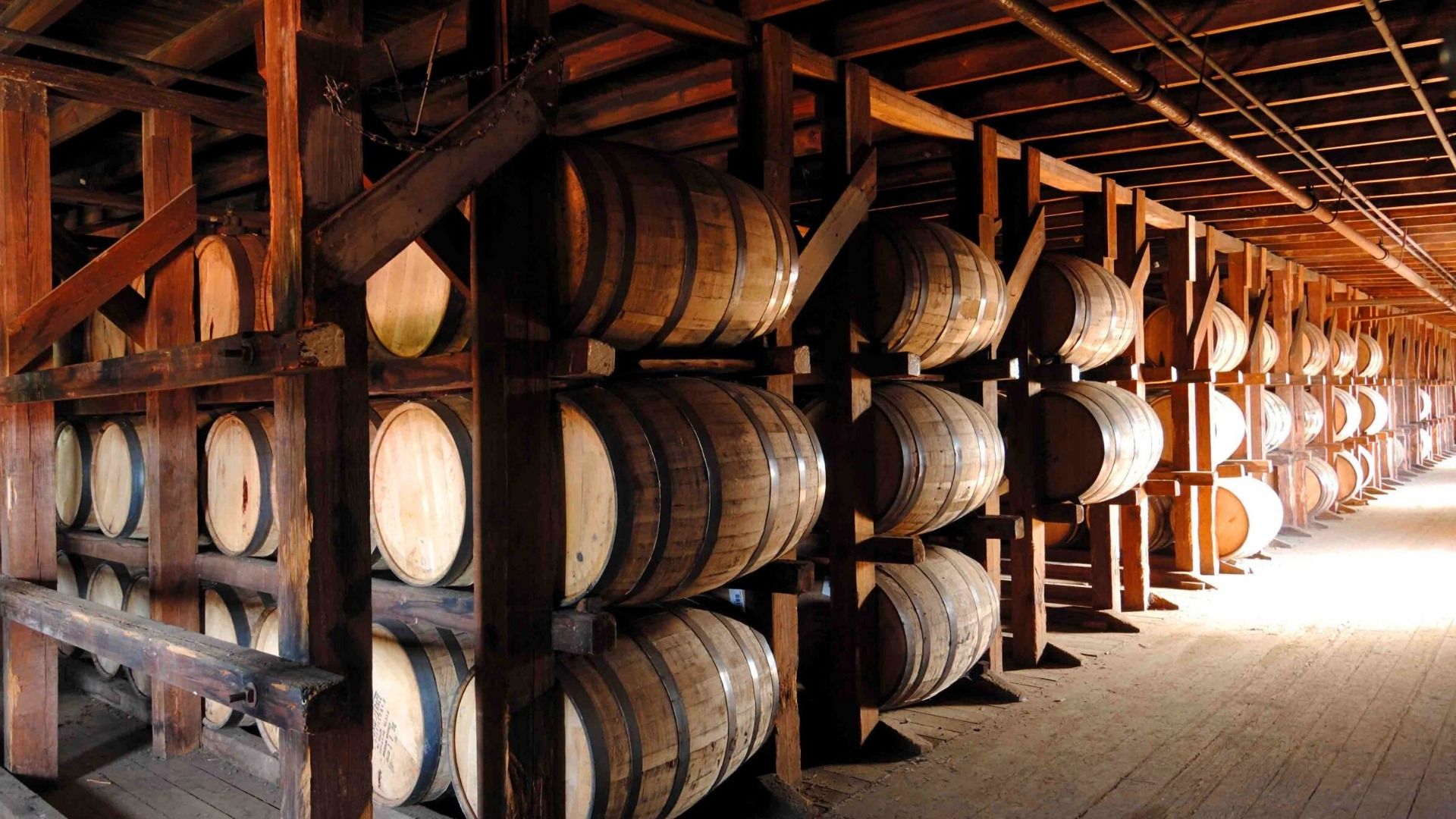
Canadian whisky must, by law, be mashed, distilled, and aged entirely within Canada for a minimum of three years in wooden barrels not exceeding 700 liters in capacity. Beyond these fundamental requirements, Canadian regulations afford distillers remarkable flexibility compared to the stricter rules governing Scotch or bourbon production. This latitude has shaped the category's identity in profound ways. Canadian whisky may contain caramel coloring and flavoring, though premium expressions typically rely on natural barrel influence for their hue and taste.
The spirit traditionally centers on corn and rye grains, though wheat and barley also appear in various recipes. Unlike bourbon, which requires a minimum of 51 percent corn in the mashbill, Canadian whisky imposes no specific grain ratios. This freedom allows distillers to craft spirits ranging from light and delicate to bold and spice-forward. The common perception of Canadian whisky as universally mild stems partly from historical marketing but does not reflect the full spectrum of styles available today. Contemporary Canadian distillers produce expressions that challenge assumptions and rival the complexity found in any whisky tradition.

The Art of Blending Components
Canadian whisky production employs a distinctive methodology that sets it apart from other major whisky categories. Rather than distilling a single mash of combined grains, Canadian distillers typically ferment and distill each grain type separately, creating individual spirit components. These components then mature independently before being blended together to achieve the desired final profile. This approach grants blenders extraordinary control over the finished product.
The base whisky, often corn-derived, provides a clean, neutral foundation characterized by smoothness and accessibility. The flavoring whisky, frequently rye-dominant, contributes spice, fruit notes, and complexity. By adjusting the proportions of these components, master blenders can fine-tune everything from intensity to mouthfeel. This component blending system explains why Canadian whisky achieved its reputation for smoothness; the technique allows for precision that batch distillation of mixed grains cannot easily replicate. Column stills predominate in Canadian production, enabling the creation of lighter spirits, though pot stills appear in certain premium expressions where richer character is desired.
Giants of the Great White North
Several distilleries have shaped Canadian whisky's reputation and continue to drive its evolution. Crown Royal, established in 1939 to commemorate a royal visit, has become the category's best-selling brand globally and produces expressions ranging from its signature smoothness to limited releases of considerable depth. Canadian Club, with roots extending to 1858, pioneered the light, mixable style that defined the category for decades and remains a fixture in bars worldwide.
Smaller and craft operations have emerged to challenge the established order and expand perceptions of what Canadian whisky can be. Lot No. 40, produced by Hiram Walker, showcases bold rye character that rivals the spiciest American offerings. Alberta Premium, distilled from 100 percent rye, demonstrates that Canadian whisky need not be gentle to be excellent. Forty Creek, founded by a former winemaker, applies wine industry sensibilities to whisky production with compelling results. Meanwhile, newer entrants continue to push boundaries, experimenting with finishing techniques, heritage grains, and extended aging programs. The landscape grows more diverse and interesting with each passing year, offering enthusiasts ample territory to explore.

The Takeaway
Canadian whisky merits a place at the table alongside the world's most respected spirits. Its unique production methodology, built on component blending and column distillation, creates a category marked by smoothness and versatility without sacrificing the potential for complexity. The regulatory flexibility that defines Canadian whisky has encouraged innovation and diversity, resulting in expressions that span the full spectrum from approachable daily pours to contemplative special occasions.
Those approaching Canadian whisky with fresh eyes will discover a category in the midst of a renaissance. Craft distilleries and premium releases from established houses alike demonstrate that the smooth reputation need not mean simple or unremarkable. The key lies in exploring beyond entry-level bottles to discover the depth available within the category. Whether enjoyed neat, on ice, or in classic cocktails, Canadian whisky offers genuine rewards to those willing to investigate its nuances. The spirit that once fueled frontier trading posts and survived prohibition to emerge as a global favorite continues to evolve, inviting new generations to appreciate what the north has to offer.