The Bitter Truth About Fernet Branca
Behind one of Italy's most uncompromising spirits lies a centuries-old tradition of herbal alchemy that has quietly shaped drinking culture across continents.

Few spirits divide opinion as decisively as Fernet Branca. The dark, viscous liquid pours almost black into the glass, releasing aromas of mint, eucalyptus, and bitter herbs that challenge uninitiated palates. The first taste strikes many drinkers as medicinal, aggressively botanical, perhaps even punishing. Yet this uncompromising character has earned Fernet Branca devoted followers who consider it among the world's essential spirits. The product belongs to a broader Italian tradition of amari, bitter herbal liqueurs developed over centuries as medicinal tonics and digestive aids.
Within this category, Fernet Branca occupies a position of particular intensity and prestige. Its recipe, closely guarded since 1845, incorporates dozens of botanicals sourced globally and blended according to methods known only to the Branca family. Understanding this singular spirit requires appreciating both its place within European bitter liqueur tradition and the specific qualities that have elevated it to cult status among those who know spirits best. What emerges is a story of craft, culture, and the surprising appeal of flavors that refuse to ingratiate themselves.
First created in Milan in 1845, Fernet-Branca is defined by its intensely bitter profile, complex herbal formula, and uncompromising style... qualities that have remained largely unchanged for nearly two centuries.
What Exactly Is an Amaro
The word amaro translates simply as bitter in Italian, though the category it describes encompasses remarkable diversity. Amari are herbal liqueurs produced by macerating or distilling botanicals including roots, bark, flowers, herbs, and citrus peels in neutral spirit, then sweetening the result to varying degrees. The tradition extends back centuries, rooted in monastic medicine and apothecary practice when bitter plant compounds were prized for their perceived healing properties. Different regions of Italy developed distinctive local styles. Light, citrus forward amari emerged in Sicily.
Alpine varieties emphasized gentian root and mountain herbs. Piedmontese producers created styles balanced between bitter and sweet that would eventually inspire modern vermouth. The category resists rigid definition, spanning everything from approachable, lightly bitter aperitivos to intensely medicinal digestivos meant for sipping after substantial meals. Fernet represents one extreme of this spectrum, a style characterized by pronounced bitterness, menthol notes, and minimal sweetness. Several Italian producers make fernet style amari, but Fernet Branca has become so dominant that its name functions almost generically for the category. The brand's recipe reportedly includes twenty seven botanicals, among them myrrh, rhubarb, chamomile, cardamom, aloe, and saffron, aged in oak barrels before bottling at a robust forty percent alcohol.
How Bitter Conquered Europe
The European affection for bitter flavors in beverages traces to practical origins. Before modern medicine, people relied on botanical preparations to treat digestive complaints, fevers, and general malaise. Bitter compounds, particularly those derived from gentian, wormwood, and cinchona bark, demonstrated genuine physiological effects that reinforced their medicinal reputation. As these preparations evolved from pharmacy shelves to drinking establishments, they retained associations with health and digestion even as they became recreational pleasures. Italy embraced amaro culture with particular enthusiasm, developing regional varieties that became sources of civic pride and family legacy.
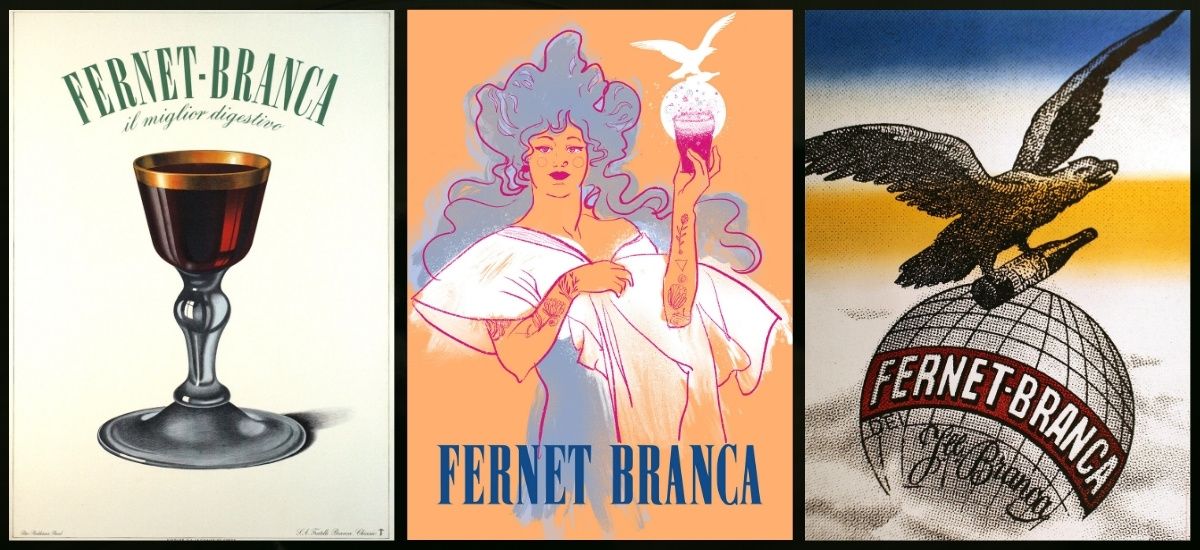
The ritual of the digestivo, a small glass of bitter liqueur following a meal, embedded itself in Italian dining culture as both pleasure and prophylaxis against overindulgence. Fernet Branca emerged from Milan in the mid nineteenth century, founded by Bernardino Branca and marketed with health claims that would be impermissible today. The brand survived wars, prohibition in export markets, and changing tastes by maintaining absolute consistency and cultivating loyalty among drinkers who appreciated its uncompromising character. Export markets developed gradually, with Argentina becoming an unexpectedly passionate consumer. Buenos Aires now rivals Milan in Fernet consumption, with the spirit mixed into cola rather than sipped neat, creating a cultural phenomenon that has endured for generations.
Why the Professionals Drink It
Within hospitality circles, Fernet Branca enjoys a reputation that transcends ordinary brand loyalty. The spirit has become something approaching an industry handshake, a drink that signals insider status and serious palate credentials. This phenomenon developed organically over decades, emerging from late night bars where service industry workers gathered after shifts. Several factors explain the connection. Fernet's intense flavor profile appeals to palates fatigued by tasting hundreds of wines and spirits professionally. Its alleged digestive properties promise relief after the occupational hazard of constant eating and drinking.
The challenging nature of the taste itself functions as a badge of sophistication, separating those who have developed genuine appreciation from casual drinkers seeking easy pleasures. The ritual dimension also matters. Fernet is typically consumed as a shot, often shared communally, creating moments of camaraderie among colleagues who understand the demands of hospitality work. Major markets including San Francisco developed particularly intense Fernet cultures, with certain establishments becoming known as gathering places for off duty professionals sharing rounds of the bitter spirit. This organic adoption by influential tastemakers has elevated Fernet Branca's prestige beyond what marketing budgets alone could achieve.

The Takeaway
Fernet Branca represents something increasingly rare in the spirits world: a product that refuses to soften its character in pursuit of broader appeal. The aggressive bitterness and complex botanical intensity that challenge newcomers are precisely the qualities that inspire devotion among experienced drinkers. This uncompromising stance connects to deeper traditions of European amaro culture, where bitter flavors signify sophistication and presumed health benefits rather than flaws to be masked.
The spirit's adoption by hospitality professionals as a signature drink adds contemporary cultural significance to historical pedigree. For those approaching Fernet Branca for the first time, patience rewards. The initial shock of menthol and bitter herbs gradually reveals underlying complexity as the palate adjusts. Some find this adjustment never comes, and no shame attaches to that preference. Yet those who persist often discover why this challenging spirit has maintained its formula unchanged for nearly two centuries while lesser products chase trends and reformulate for mass acceptance. Fernet Branca asks drinkers to meet it on its own terms, offering in return an experience of genuine distinctiveness in an era when distinctiveness grows ever more scarce. The bitter truth is that some pleasures must be earned.