Is Grappa Europe’s Most Misunderstood Spirit?
Discovering the Italian pomace brandy that transformed winemaking's leftovers into a beloved national treasure.
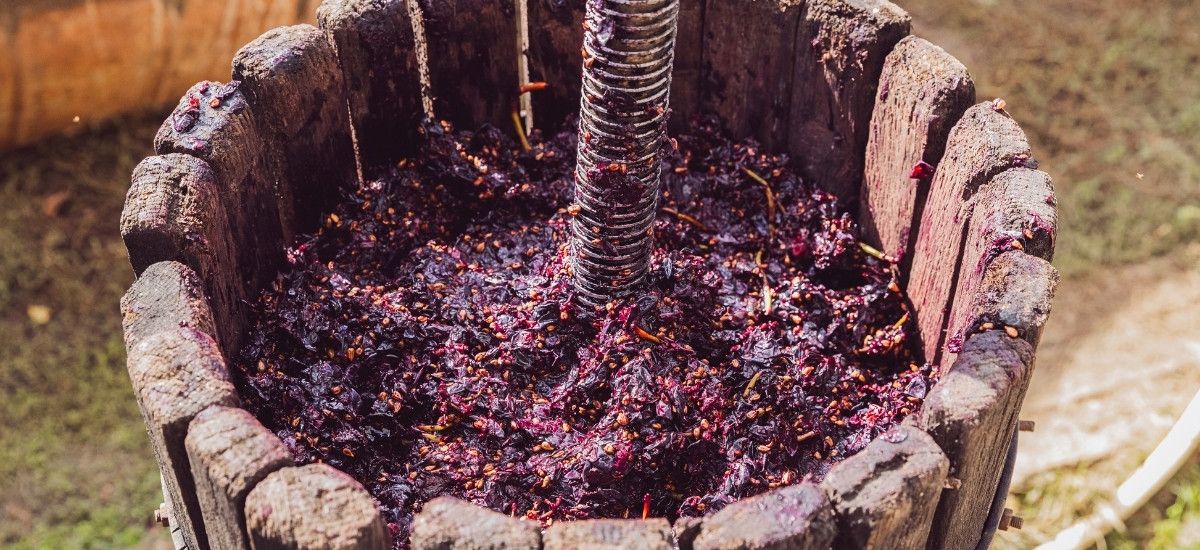
Every wine harvest generates abundance beyond the juice that flows into fermentation tanks. The skins, seeds, and stems that remain after pressing, collectively known as pomace, present winemakers with a choice: disposal or transformation. In Italy, centuries of tradition chose the latter path, distilling this humble material into grappa, a spirit that has evolved from peasant necessity to refined digestif. Grappa occupies a distinctive position in the spirits world, intimately connected to winemaking yet possessing its own character and culture. For much of its history, grappa carried associations with harsh, fiery liquor consumed by farmers seeking warmth after long days in the vineyard.
Contemporary grappa tells a different story, one of aromatic elegance and careful craftsmanship that rivals any European brandy tradition. Understanding grappa provides the beverage professional with essential knowledge of Italian drinking culture while offering enthusiasts a category of remarkable diversity and genuine discovery. This spirit of thrift and transformation deserves attention far beyond its traditional homeland.
Once considered a simple farmer’s spirit, grappa has evolved into a premium category, with artisanal distillers elevating its texture, aromatics and overall finesse.
Born From the Vine's Remains
Grappa's origins reflect the practical ingenuity that characterizes Italian agricultural tradition. Following the grape harvest, after juice has been extracted for wine production, pomace remains in substantial quantities. Rather than waste this material, Italian distillers recognized that fermentable sugars and aromatic compounds persisted in the skins and pulp.
Historical records suggest pomace distillation in Italy dates to at least the medieval period, with production concentrated in the northern regions where winemaking thrived and harsh winters created demand for warming spirits. The name itself likely derives from the Italian word for grape stem, connecting the spirit permanently to its humble origins. For centuries, grappa remained a rustic product of variable quality, distilled by farmers using basic equipment and consumed locally without pretension. This reputation persisted well into the twentieth century, when a transformation began. Pioneering producers recognized that careful attention to raw materials, distillation technique, and presentation could elevate grappa to respectability.
The Nonino family of Friuli proved particularly influential, introducing single variety grappas that showcased how different grape pomaces expressed distinct aromatic profiles. This innovation sparked an industry wide quality revolution that continues today.
The Art of Pomace Distillation
Producing quality grappa demands attention at every stage, beginning with the pomace itself. Fresh pomace, still moist with residual juice and rich in aromatic compounds, yields superior results compared to material that has dried or begun to decay. Leading producers arrange rapid transport from wineries to distilleries, sometimes within hours of pressing, to preserve volatile aromatics. The pomace may be distilled directly or undergo brief fermentation if residual sugars remain unfermented. Distillation traditionally employs discontinuous pot stills, with the bain marie method using steam or water bath heating to prevent scorching the delicate pomace. This gentle approach preserves the grape's aromatic fingerprint in the final spirit.
Modern continuous column stills offer efficiency but sacrifice some character that pot distillation retains. Following distillation, grappa may be bottled immediately as a clear, unaged spirit or rested in wood to develop additional complexity. Young grappa emphasizes pure grape aromatics, while aged expressions acquire vanilla, spice, and amber coloring from barrel contact. The grape variety profoundly influences character. Grappa di Moscato displays floral perfume and sweetness, while Grappa di Nebbiolo from Barolo pomace offers structure and tannic grip. This varietal diversity creates a category of remarkable range.
Beyond Italy's Borders
While grappa by legal definition must originate in Italy, pomace distillation occurs wherever wine is made. France produces marc, with Marc de Bourgogne and Marc de Champagne achieving particular distinction. Portuguese bagaceira, Spanish orujo, and Georgian chacha represent regional expressions of the same essential technique. American craft distillers have embraced pomace spirits as wine regions mature and winemaking byproducts become available. These international expressions, while not entitled to the grappa designation, demonstrate universal recognition that pomace contains value worth extracting.
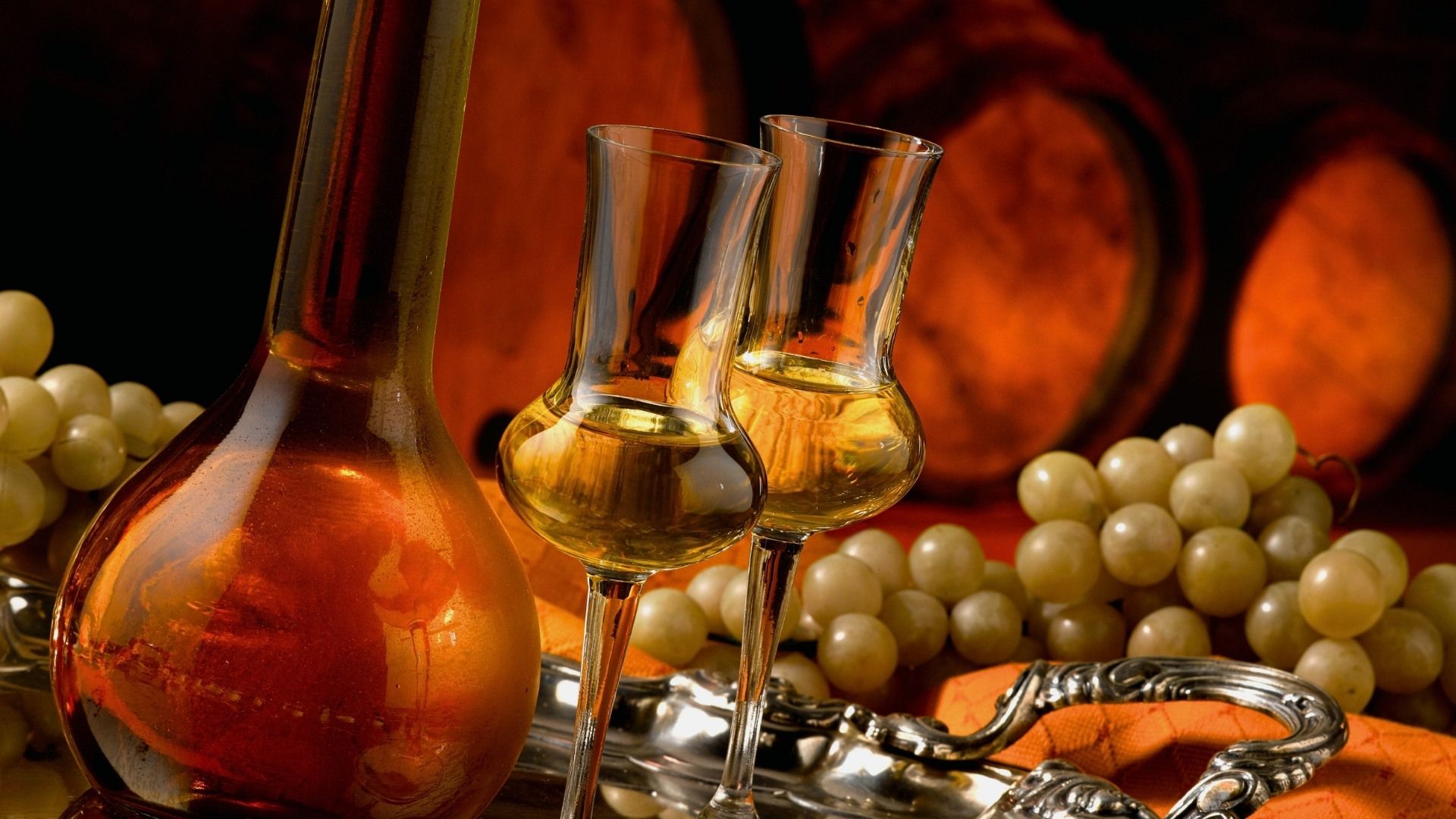
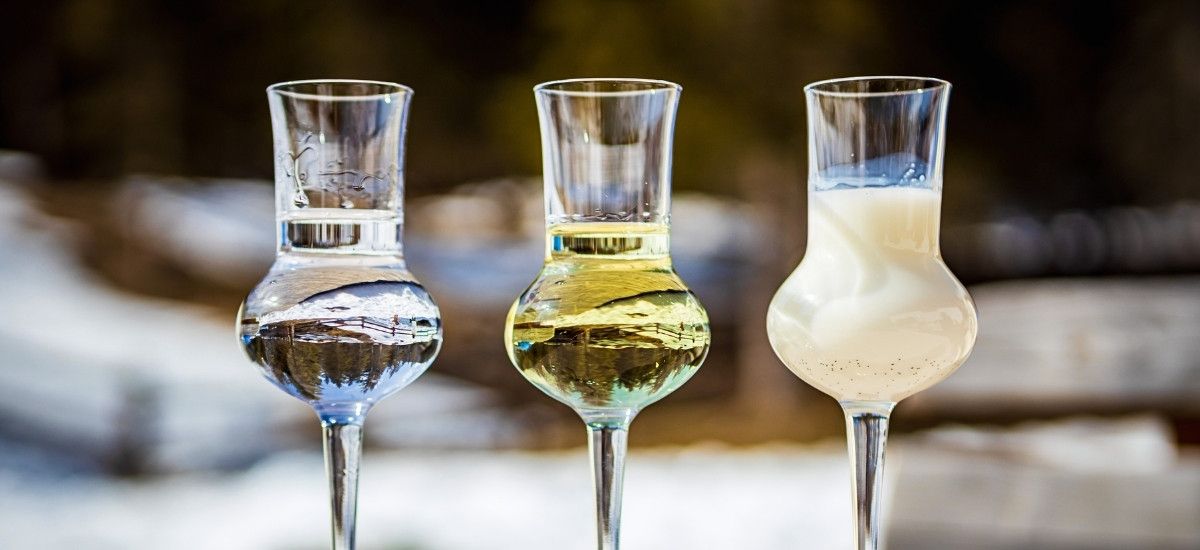
For the hospitality professional, grappa service requires specific knowledge. Temperature matters significantly, with quality grappa best served slightly chilled in tulip shaped glasses that concentrate aromatics while preventing alcohol burn from overwhelming the nose. Traditional Italian service follows meals as a digestivo, though contemporary applications include cocktail use and pairing with chocolate or cheese courses. Understanding the distinction between industrial grappa and artisanal production helps guide recommendations. Mass produced examples at modest prices serve adequately for mixing, while single variety bottlings from respected houses like Nonino, Marolo, Poli, and Capovilla merit contemplative sipping and premium positioning.
The Takeaway
Grappa embodies a philosophy of transformation that resonates beyond its specific category. The spirit demonstrates how apparent waste can become something valuable through knowledge, technique, and patience. This message of resourcefulness carries particular relevance as sustainability concerns increasingly influence beverage industry practices and consumer consciousness alike.
For the beverage enthusiast, grappa offers a different perspective on familiar varieties, revealing aromatic dimensions that wine itself may not express. Tasting Moscato grappa alongside Moscato wine illuminates how distillation concentrates and transforms grape character, deepening appreciation for both products. The category's ongoing quality evolution means that anyone who dismissed grappa based on past encounters with harsh industrial examples deserves a second introduction through contemporary artisanal bottlings. These modern expressions reward curiosity and challenge outdated assumptions about what pomace distillation can achieve. Grappa reminds us that excellence sometimes emerges from unexpected sources, that what others discard may contain hidden potential, and that traditions born of necessity can mature into arts worthy of celebration.
In a world increasingly attuned to waste reduction and circular production, grappa stands as centuries old proof that sustainability and quality need not conflict. The spirit invites exploration without demanding expertise, welcoming newcomers while offering depth sufficient to sustain lifelong interest. In these lessons, grappa transcends its origins to offer something genuinely meaningful to anyone willing to approach it with fresh perspective.