The Spirit of Purity: An Introduction to Vodka
A journey through one of the world's most versatile and widely consumed spirits.
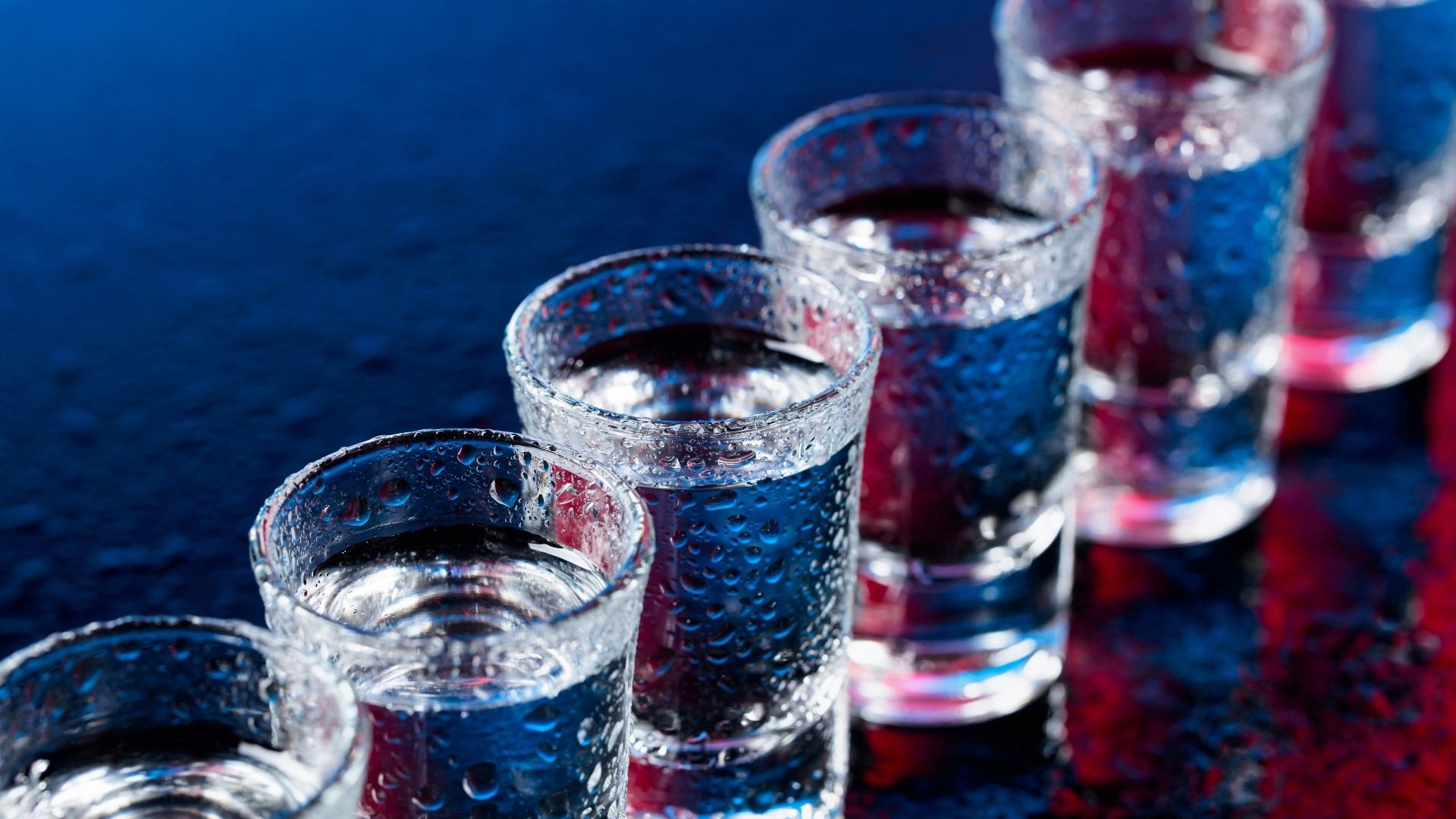
Vodka occupies a unique position in the global spirits landscape. Unlike whiskey with its amber hues and complex barrel notes, or rum with its sugarcane sweetness, vodka presents itself as a study in refinement and neutrality. This clarity, both literal and figurative, has made it the foundation of countless cocktails and the preferred spirit in cultures spanning from Eastern Europe to the Americas.
For the beginning enthusiast, vodka offers an accessible entry point into the world of distilled spirits precisely because it does not demand the palate development that brown spirits often require. Yet this apparent simplicity conceals a rich history, nuanced production methods, and surprising diversity among producers. Understanding vodka provides essential knowledge for anyone pursuing excellence in beverage service or seeking to appreciate the broader spectrum of distilled spirits.
Vodka is defined by its purity, typically distilled to at least 95 percent alcohol before dilution, which gives it its famously neutral character.
A Contested Origin Story
The historical roots of vodka remain a matter of national pride and scholarly debate. Both Russia and Poland claim to have originated the spirit, with documented evidence suggesting production in both regions as early as the eighth and ninth centuries. The word itself derives from the Slavic term for water, reflecting the spirit's connection to purity and essential sustenance in these cultures. Early vodkas served medicinal purposes and bore little resemblance to the refined product we recognize today. These primitive distillates were often harsh and flavored with herbs or honey to mask impurities.
As distillation technology improved through the centuries, particularly with the introduction of column stills in the nineteenth century, vodka evolved into the clean, neutral spirit that defines the modern category. The spirit's migration westward accelerated dramatically following the Russian Revolution, when emigrating distillers brought their craft to Western Europe and eventually to the United States.

From Grain to Glass
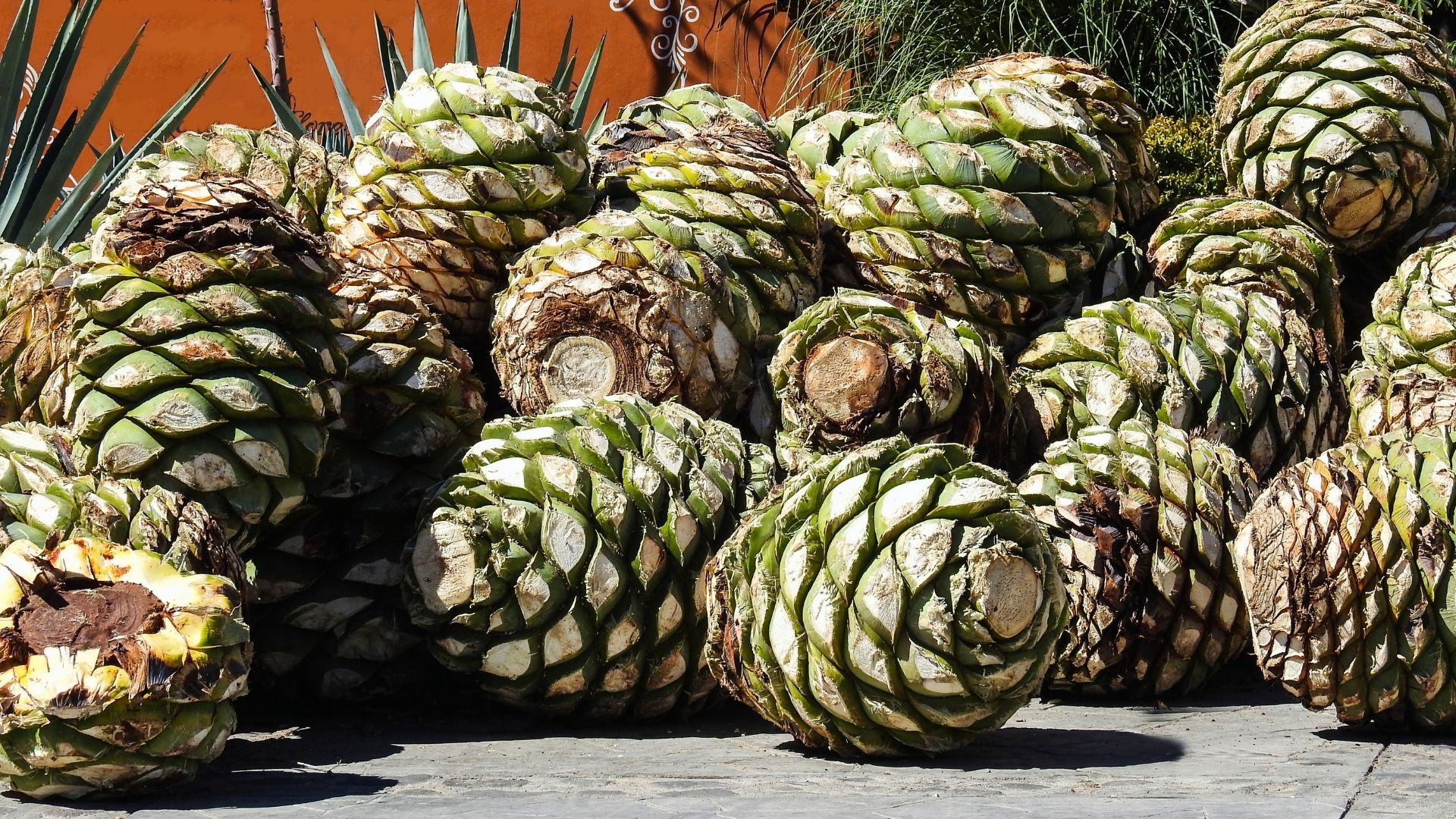
The production of vodka begins with fermentable agricultural materials, most commonly grains such as wheat, rye, or corn, though potatoes, grapes, and even sugar beets serve as base ingredients in various expressions. The base material is mashed and fermented to create a low alcohol wash, which then undergoes distillation. Modern vodka production typically employs continuous column stills that can achieve extremely high proof, effectively stripping away congeners and flavor compounds to approach pure ethanol. Following distillation, filtration through activated charcoal, quartz, or other materials removes remaining impurities.
The distinction between grain and potato vodkas, while sometimes overstated in marketing, does produce discernible differences. Grain vodkas tend toward crispness and subtle sweetness, while potato expressions often display a fuller body and creamier texture. The beginner should experiment with both styles to develop personal preferences and to understand how base ingredients influence the final product.
The Global Landscape of Production
Today, vodka production spans continents, though several producers have achieved particular prominence. Smirnoff, originally a Russian brand now produced internationally, remains the world's best selling vodka and introduced the spirit to American consumers in the mid twentieth century. Poland's Belvedere and Chopin showcase the country's rye and potato traditions respectively, while Sweden's Absolut demonstrated through innovative marketing that vodka could transcend its commodity status. Russian Standard and Stolichnaya carry forward the legacy of Russian production methods.
French entries like Grey Goose proved that terroir and luxury positioning could transform vodka's image entirely. American craft distilleries have further expanded the category, experimenting with local grains and innovative production techniques. For the aspiring professional, familiarity with these major brands provides a foundation for understanding how production choices, marketing strategies, and regional traditions shape consumer perception and preference in this competitive category.
The Takeaway
Vodka's reputation as a flavorless spirit belies its complexity and cultural significance. From its disputed origins in medieval Eastern Europe to its current status as the world's most consumed spirit category, vodka has demonstrated remarkable adaptability and enduring appeal. The beverage professional who dismisses vodka as unworthy of serious study misses an essential component of spirits literacy. Understanding the influence of base ingredients, the refinement achieved through distillation and filtration, and the distinctions among major producers allows for more thoughtful recommendations and elevated guest experiences.
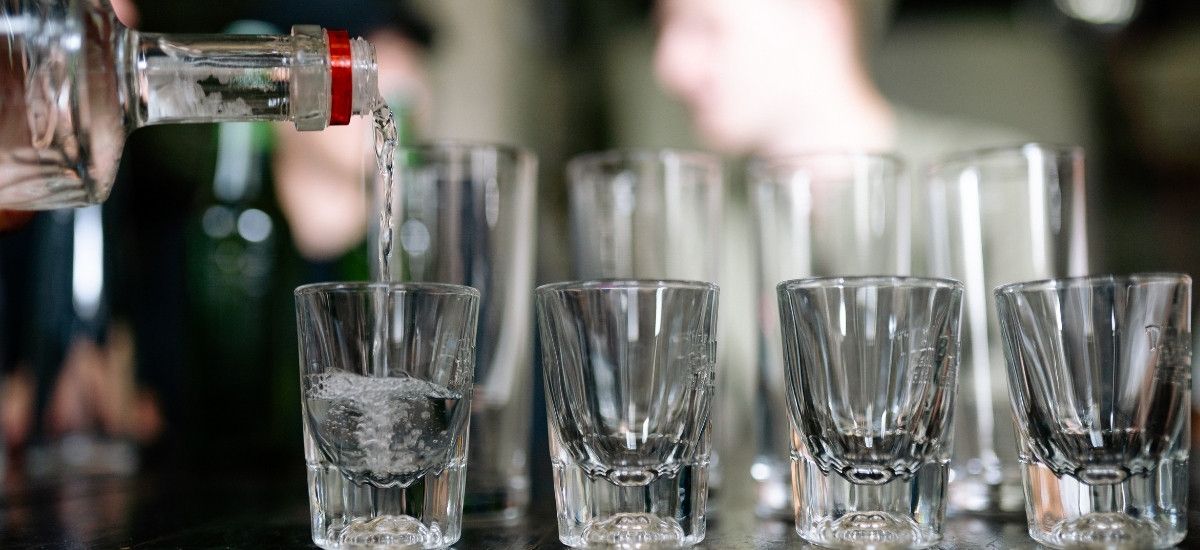
Whether served ice cold in the Eastern European tradition, mixed into a classic Martini, or featured in contemporary cocktail creations, vodka rewards those who approach it with curiosity rather than condescension. For the beginning enthusiast, vodka offers a welcoming gateway into spirits appreciation, one that reveals increasing subtlety and distinction as the palate develops and knowledge deepens.