From Grape to Glass: How Fine Cognac Is Crafted
Discovering the storied spirit that has captivated royalty, connoisseurs, and collectors for centuries.
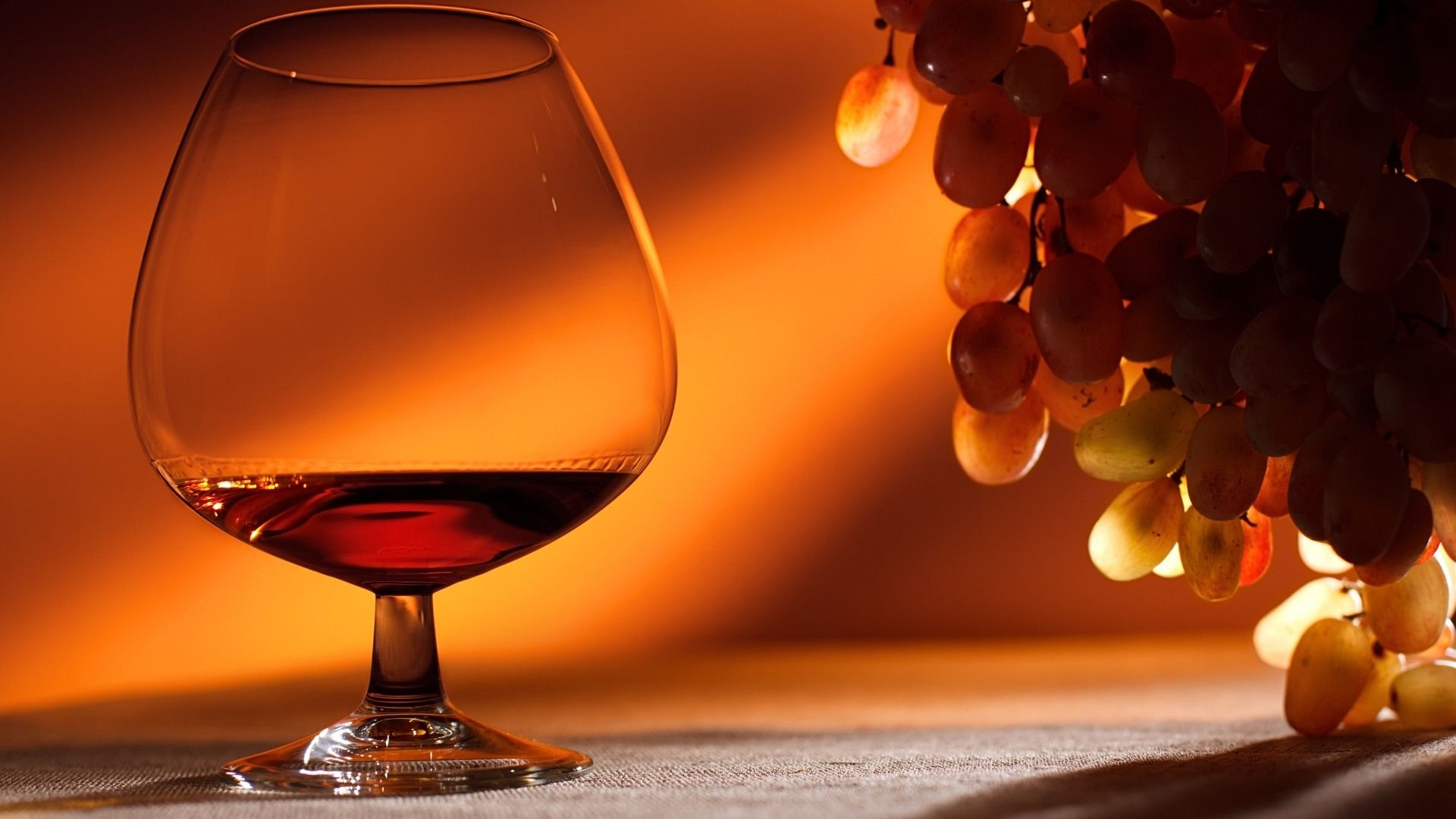
Among the world's great spirits, few command the reverence accorded to Cognac. This distinguished French brandy has graced the tables of monarchs, inspired poets and philosophers, and established itself as the definitive expression of distilled wine. Yet for many enthusiasts, Cognac remains somewhat mysterious, its classification system confusing and its premium pricing unexplained. Understanding Cognac requires appreciation of geography, tradition, and the extraordinary patience demanded by its production.
The spirit originates from a specific region of southwestern France, where particular grape varieties, distillation methods, and aging requirements combine to create something genuinely irreplaceable. No other brandy, regardless of quality, may legally bear the Cognac name. This protected status reflects centuries of refinement and the recognition that certain products achieve excellence precisely because they cannot be replicated elsewhere. For the aspiring beverage professional or curious enthusiast, Cognac represents essential knowledge, a category where history, craftsmanship, and luxury intersect in remarkable ways.
Global demand for premium and luxury cognac has surged in recent years, with exports representing more than 95 percent of total production.
From Vine to Vessel: The Making of Cognac
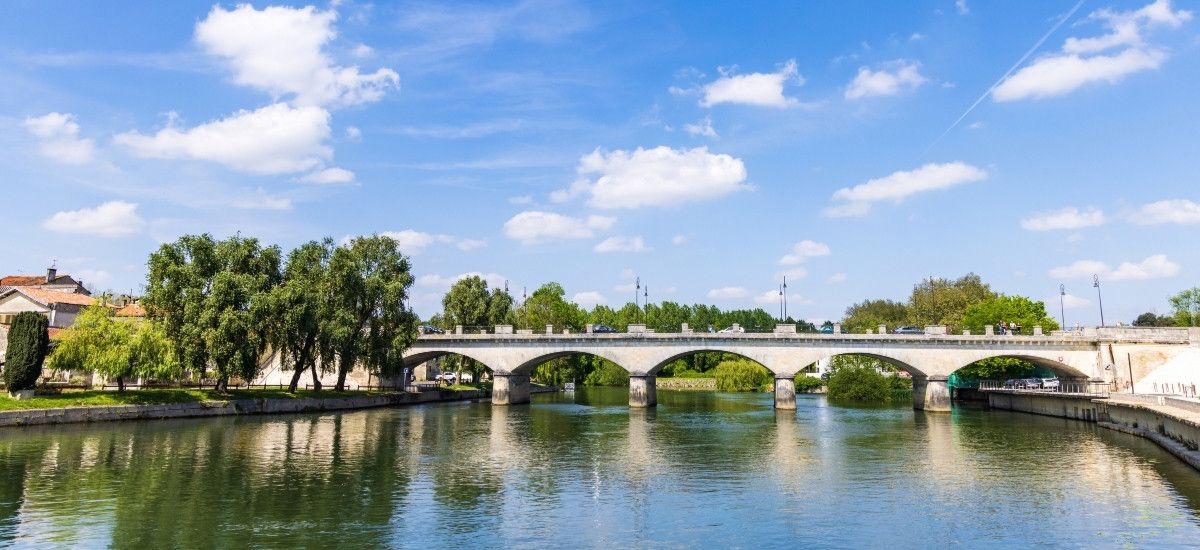
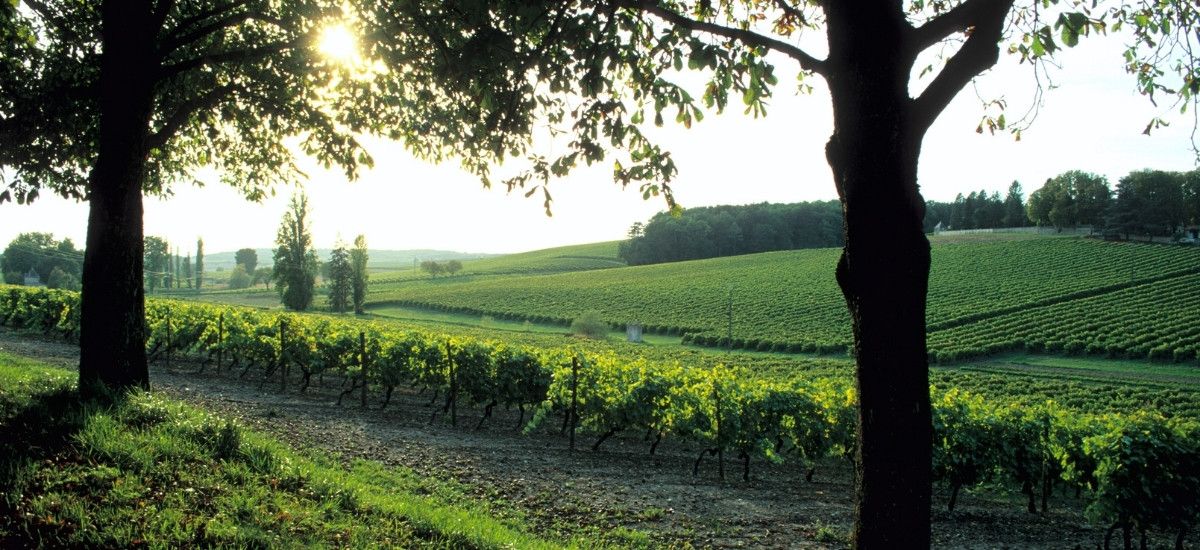
Cognac production begins in the vineyards surrounding the town of Cognac in the Charente region of France. The predominant grape variety, Ugni Blanc, produces a thin, acidic wine seemingly unsuitable for drinking but ideal for distillation. This base wine undergoes double distillation in traditional copper pot stills known as alembics, a process that must be completed by March 31st following the harvest according to regulations. The resulting clear spirit, called eau de vie, then enters oak barrels for aging, and here the true transformation occurs. French oak, primarily from the Limousin and Tronçais forests, imparts color, tannin, and complex flavors over years and often decades of maturation.
The classification system reflects minimum aging requirements. VS, meaning Very Special, indicates at least two years in barrel. VSOP, or Very Superior Old Pale, requires minimum aging of four years. XO, standing for Extra Old, demands at least ten years, though many producers far exceed these minimums. The evaporation that occurs during barrel aging, poetically termed the angel's share, concentrates flavors while reducing volume, contributing to the eventual cost of aged expressions.
Liquid Gold and Royal Heritage
Cognac's association with aristocracy and wealth extends back centuries. French kings and European nobility favored the spirit, and this royal patronage established expectations of quality and prestige that persist today. Major houses cultivated these connections deliberately, and names like Hennessy, Rémy Martin, Martell, and Courvoisier became synonymous with luxury and refinement. Among ultra premium expressions, few achieve the legendary status of Louis XIII by Rémy Martin. This exceptional Cognac represents the pinnacle of the blender's art, combining up to 1,200 individual eaux de vie, some aged for over a century, into a single harmonious composition.
Each decanter, crafted from hand blown crystal and requiring over forty artisans to produce, contains liquid history spanning multiple generations of cellar masters. The current retail price, often exceeding three thousand dollars, reflects not merely the age of the components but the irreplaceable nature of the blend. These centenarian spirits cannot be rushed or replicated, and their scarcity increases as reserves are depleted and never fully replenished. Such expressions occupy a rarefied space where spirit becomes artifact.
Why Cognac Commands Its Price
The expense of quality Cognac stems from multiple factors that compound over time. The extended aging process ties up capital for years or decades, during which producers must maintain climate controlled warehouses and accept continuous evaporation losses. A barrel of Cognac aging for fifty years may lose half its original volume to the angels, meaning the surviving liquid must bear the cost of what disappeared. The regulatory framework, while protecting quality, also limits production volume and prohibits shortcuts that might reduce costs.
Additionally, the major houses maintain vast inventories of aged reserves, some dating back over a century, as insurance against future scarcity and as components for their most prestigious blends. This inventory represents enormous capital investment that factors into pricing. For younger expressions like VS and VSOP, Cognac remains relatively accessible, offering genuine quality at moderate prices. However, as age statements increase and rarity intensifies, prices escalate accordingly. The beverage professional should recognize that premium Cognac pricing reflects legitimate production costs rather than arbitrary luxury markups.
The Takeaway
Cognac stands apart in the spirits world through its combination of regulated excellence, historical prestige, and genuine scarcity at the highest levels. The classification system, once understood, provides reliable guidance for both purchasing decisions and guest recommendations. VS expressions offer approachable entry points suitable for mixing and casual enjoyment, while VSOP delivers the complexity appropriate for contemplative sipping. XO and beyond enters collector territory, where each pour represents decades of careful stewardship.
For beverage enthusiasts, Cognac knowledge signals sophistication and enables confident navigation of a category that intimidates many consumers. Understanding why Louis XIII commands its extraordinary price, or why certain houses have maintained their reputation across centuries, transforms the professional from mere order taker to trusted advisor. Cognac rewards study with increased appreciation, revealing new dimensions as palates develop and knowledge deepens. In an age of craft spirits and constant innovation, this ancient category reminds us that some traditions endure precisely because they achieved perfection long ago and require only faithful continuation.